Partner With Us
Brand Avenue operates a multi-brand, off-price retail chain specializing in discounted apparel and footwear. The model is inspired by global off-price leaders such as TJX Companies and Ross Stores, combining value pricing with a premium in-store experience.
Unlike traditional discount stores, Brand Avenue focuses on:
Organized retail format
Branded merchandise
Premium store ambience and customer service
The goal is to make branded fashion accessible to mass consumers without compromising on shopping experience.


Brand Portfolio Strategy
The stores feature a curated mix of leading national and international brands including:
Levi's
Puma
United Colors of Benetton
Park Avenue
Linen Club
Rare Rabbit
Red Tape
Key approach:
Strategic brand tie-ups through formal agreements
Continuous performance monitoring
Quick exit of non-performing brands
Dynamic merchandising mix
Market Opportunity
Industry Size & Growth
Current market size: $72 billion
Projected size: $122 billion
CAGR: 11–13%
Structural Gap
70% of market still unbranded
Rapid shift toward branded consumption
Unsold Inventory Opportunity
10–12% inventory remains unsold each season
Leads to:
Blocked working capital for brands
Liquidation through unorganized channels
Off-Price Segment Potential
Estimated size: $14–15 billion
Largely untapped and unorganized in India




👉Core Opportunity: Build a large-scale organized liquidation channel
Strategic Advantages
1. Strong Brand Relationships
Industry experience enables:
Faster onboarding
Better sourcing deals
Optimized inventory mix
2. Tier-2 & Tier-3 Market Focus
Lower rentals
Limited organized competition
High aspiration for branded goods
3. Highway Retail Strategy
High footfall from travelers
Lower real estate costs
Strong conversion rates
4. Strong Unit Economics
Average bill value: ₹2,500
Units per transaction: ~3
Conversion rate: ~60%
👉 Indicates high purchase intent and efficient store performance




Expansion Models
FOFO (Franchise Owned Franchise Operated)
Asset-light model
Faster scale with lower capital
FICO (Franchise Invested Company Operated)
Franchise invests, company operates
Ensures operational control + scalability
COCO (Company Owned Company Operated)
Full control over operations
Strong brand positioning
Capital intensive






Current Financial Snapshot
Revenue: ₹13 crore
Investment:
₹67 lakh (promoter capital)
₹1.85 crore (CGTS loan)
Profit margins: 5–6%
Target margins: 8–9% (with scale efficiencies)
Growth Roadmap
Short-Term (1 Year)
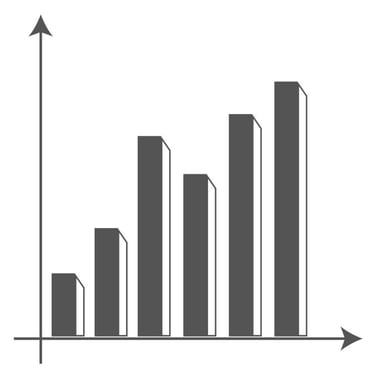
Revenue target: ₹30–35 crore
Medium-Term
Scale to: ₹100 crore
Key milestone for investor validation
Long-Term Potential
₹200–300 crore+ with structured rollout




Future Growth Drivers
Dead Mall Conversion Strategy
Revive underperforming malls
Convert into value retail destinations
Add:
Multi-brand outlets
Food courts
Entertainment zones
Private Label Expansion
Own brand: Wooler Lifestyle
Benefits:
Higher margins
Inventory flexibility
Long-term brand equity
Highway Retail Scale-Up
Proven model:
400 sq ft store generating ₹12 lakh/month
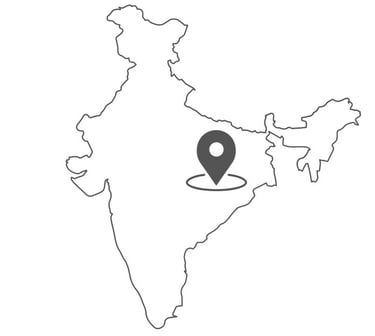
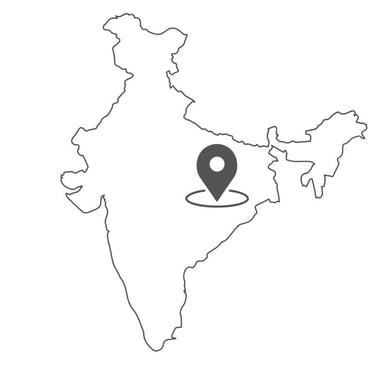
Geographic Expansion
High-potential markets:
North India (Punjab, Haryana, Rajasthan)
Emerging markets:
Maharashtra
South India
Focus locations:
Highway junctions
Pilgrimage centers



Funding Strategy
Immediate Requirement
₹2–3 crore for:
Inventory expansion
New store rollout
Scale Requirement
₹18–20 crore for aggressive growth
Approach
Short-term: Debt funding
Long-term: Equity infusion post scale
Investor Readiness
To attract investors, the business requires:
Detailed store rollout plan
Financial projections
Revenue and profitability roadmap
Capital allocation strategy
Store-level unit economics
Operational structure
👉 A professional pitch deck is critical
5-Year Vision
Year 1: ₹100 crore
Year 2–3: ₹200–300 crore
Expansion in store network
Improved profitability metrics
Operational Priorities
Controlled expansion
Strong location selection strategy
Focus on store-level profitability
Build scalable operations and team
Key Strategic Insight
This business is fundamentally about:
👉 Organizing an unorganized market
Brands need:
Reliable liquidation channels
Price control without brand dilution
Brand Avenue can position itself as:
👉 India’s leading organized off-price retail chain
If you want, I can next:
Turn this into a PowerPoint pitch deck (investor-ready)
Build financial projections (Excel format)
Create a store rollout strategy with numbers
Or design a funding pitch narrative for banks/investors
store rollout strategy with numbers
Here’s a practical, number-driven Store Rollout Strategy for Brand Avenue that you can directly use for investor discussions or planning.










Improved profitability metrics
Store Rollout Strategy (3 - Years Plan with Numbers)
1. Rollout Philosophy
The expansion will follow a cluster-based, capital-efficient approach:
Start with high-performing regions (North India + highways)
Build regional clusters (5–10 stores per cluster)
Use FOFO + FICO mix to reduce capital burden
Prioritize unit profitability over aggressive expansion
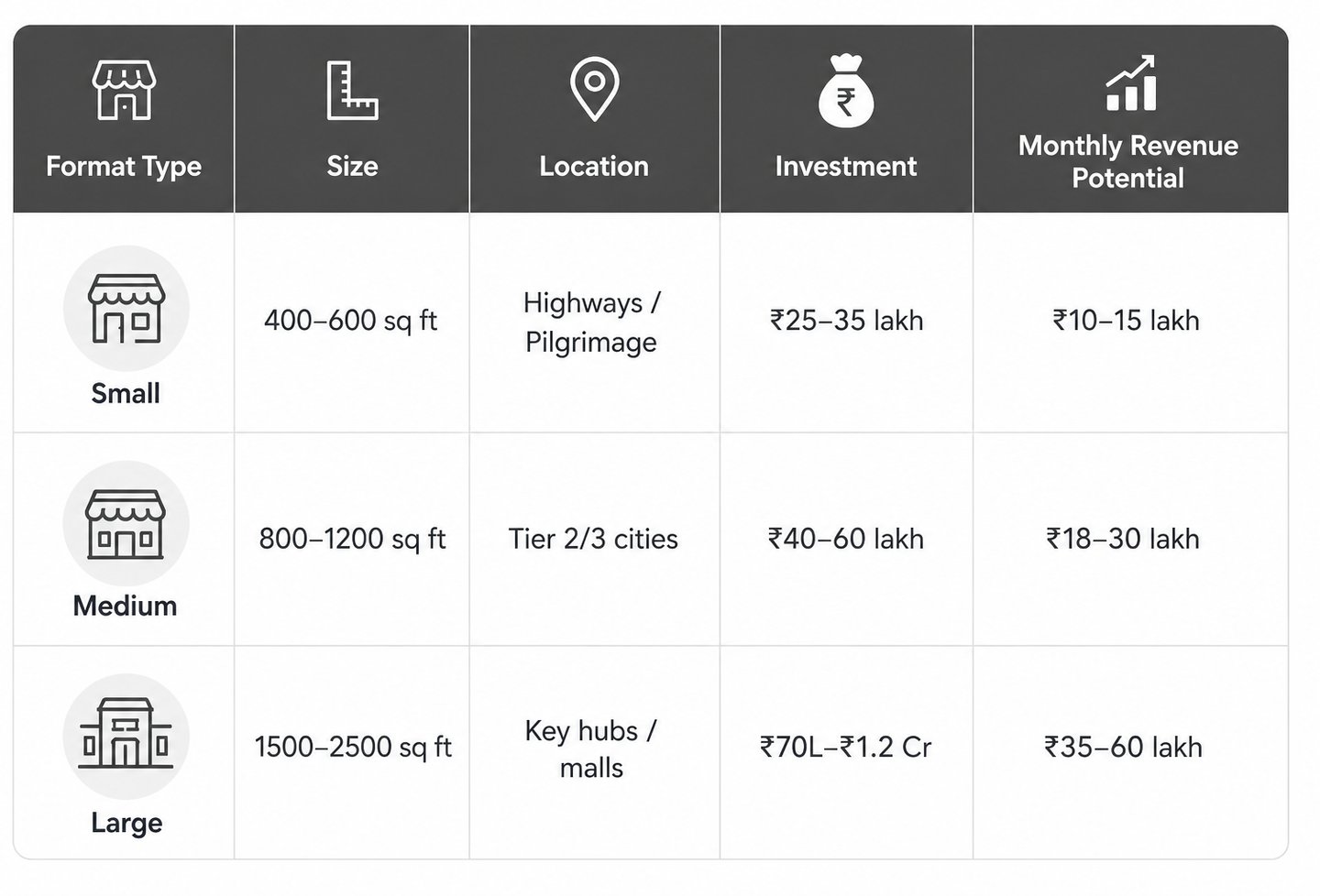
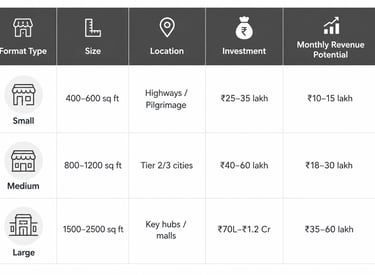
👉 Focus Mix:
50% Small (high ROI, fast rollout)
35% Medium (core revenue drivers)
15% Large (brand visibility)
Store Format Strategy
Average Store (Blended Model)
Monthly Revenue: ₹20 lakh
Annual Revenue: ₹2.4 crore
Cost Structure
Gross Margin: 28–32%
Net Margin: 6–9%
Annual Profit Per Store
₹15–22 lakh per store
👉 Payback Period: ~2.5–3 years
Unit Economics (Per Store)
Year 2 (Aggressive Expansion)
New Stores: 25
12 Small
9 Medium
4 Large
Total Stores: ~40+
Revenue Calculation
Existing stores full-year: ₹30 crore
New stores half-year:
25 × ₹1.2 crore = ₹30 crore
👉Total Year 2 Revenue: ~₹60–65 crore
Year 3 (Scale + Market Leadership Push)
New Stores: 40
20 Small
14 Medium
6 Large
Total Stores: ~80+
Revenue Calculation
Existing stores: ₹65 crore
New stores half-year:
40 × ₹1.2 crore = ₹48 crore
👉 Total Year 3 Revenue: ~₹110–120 crore
Year-wise Rollout Plan
Year 1 (Stabilization + Proof of Scale)
New Stores: 12
6 Small
4 Medium
2 Large
Total Stores (including existing): ~15–18
Revenue Calculation
Existing stores: ₹13 crore
New stores (avg half-year contribution):
12 × ₹1.2 crore = ₹14.4 crore
👉Total Year 1 Revenue: ~₹27–30 crore
Capital Requirement Per Store Type
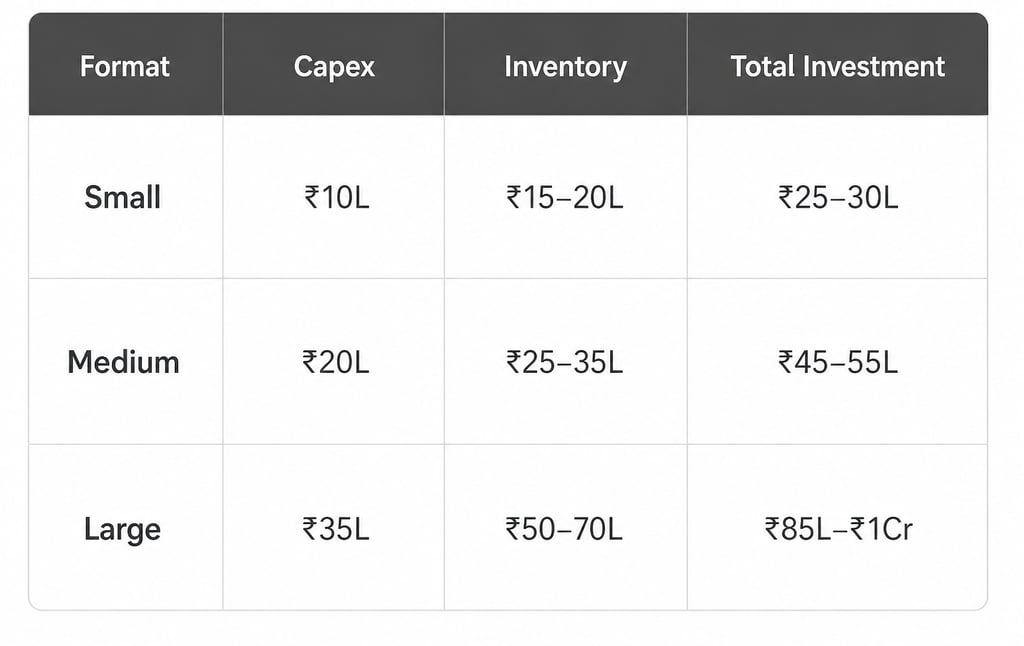
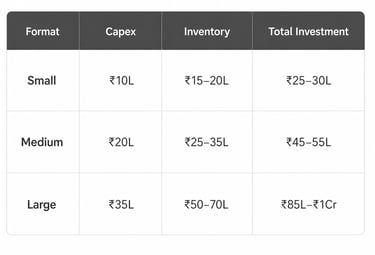
Year 1 (12 stores)
Approx: ₹5–6 crore
Year 2 (25 stores)
Approx: ₹12–14 crore
Year 3 (40 stores)
Approx: ₹20–25 crore
👉Total (3 years): ₹37–45 crore
Total Capital Requirement (3 Years)

Send your query
Have questions or want to partner with Brand Avenue? Reach out to us anytime.
Head Office Address
Reach out for inquiries or support
Phone
customerservices@brandavenuestores.com
+91- 86186 66056
© 2025. All rights reserved.
Raghavendra Industrial Area, 04/297 Sy No 26/5, Rajiv Gandhi Rd, Jarganahalli, J. P. Nagar, Bengaluru, Karnataka 560078
10:30 AM - 6:30 PM (Monday to Saturday)